


6 stocks the screener shows with a dividend above 7%

A dividend yield above 7% looks like an extraordinary opportunity in an environment where the broad U.S. index yields around 1%. But ordinary screeners almost always calculate with the dividend that has already been paid, not the one that is yet to come. And it is precisely in this difference that most of the disappointment dividend investors experience is hidden. Today's selection of six stocks shows three different outcomes: a yield covered by cash, a yield created by a price drop, and a yield that exists on paper but will no longer reach your account. What should you watch out for when choosing a dividend stock?
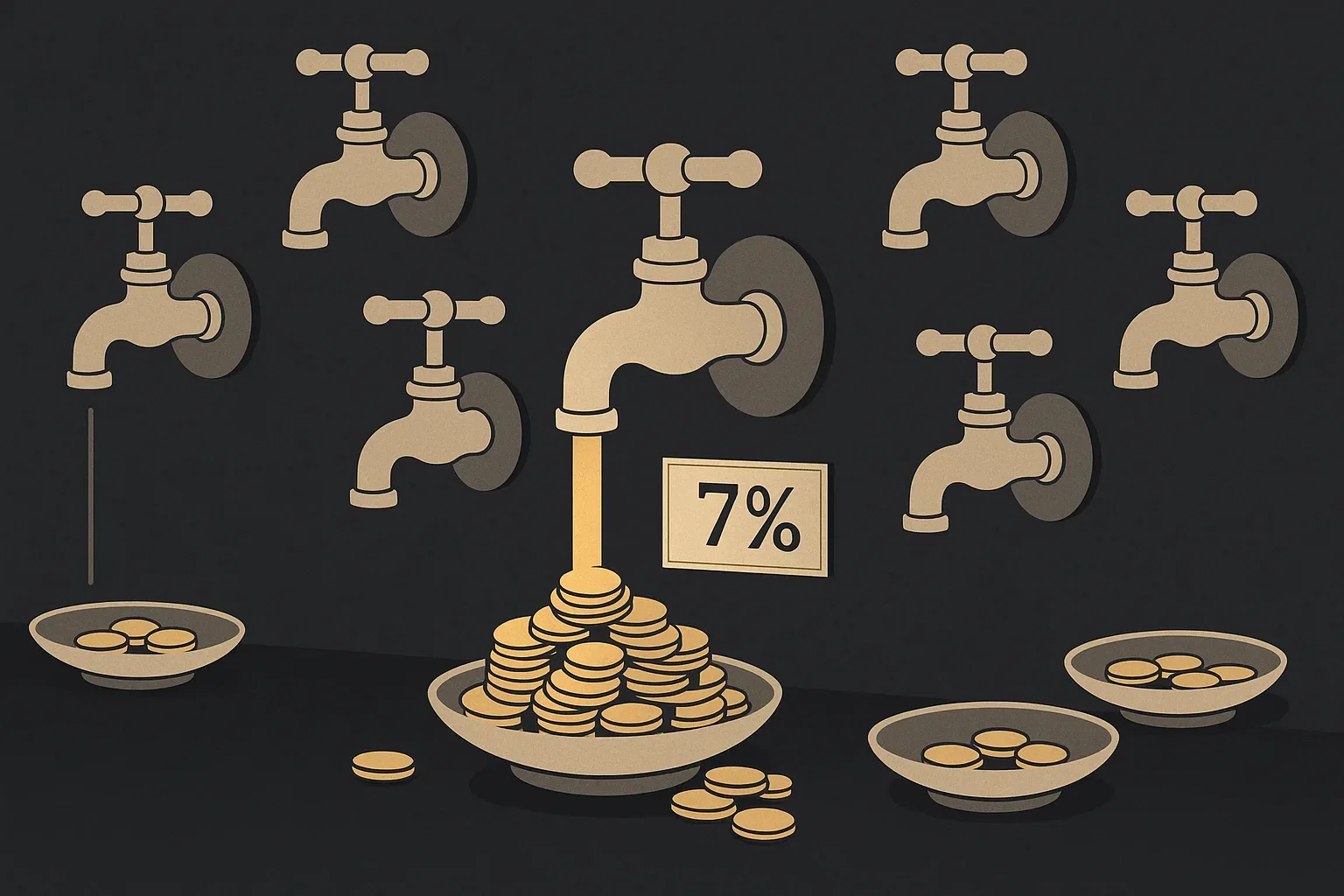
Key points
6 stocks that screeners show with a dividend above 7%. But the reality for some of them is significantly different from what the number on various websites suggests.
The same 7% yield can mean something completely different depending on the sector. What is standard in one place can be a major warning signal elsewhere.
Historical and forward dividend yield are two different things. And it is precisely this difference that ordinary screeners can hide from the investor. Bulios does not.
Even a high payout ratio does not automatically mean a problem. For some structures, classic dividend metrics can create a very misleading picture.
How much of the 7% actually ends up in the investor's account? Cash flow, currency, company structure, and withholding taxes all come into play.
A high dividend yield is one of the most common entry filters that retail investors work with. If a stock pays 8% a year, you just hold it and income comes regardless of what the price does. The problem is that dividend yield is not a property of the company, but a ratio of two numbers, one of which changes every second and the other is historical. Dividend yield in an ordinary screener is calculated by summing the dividends paid over the last twelve months and dividing by the current stock price. Both parts of that equation can move for reasons that have nothing to do with the quality of the business.
When a stock price falls by 40%, the yield automatically rises by two-thirds without the company paying a penny more. And when a company cuts or eliminates its dividend, the screener still shows it with a high yield for several more months because historical data disappears from the numerator gradually, quarter by quarter. That is why the tables of the highest dividend yields regularly include companies that no longer pay a dividend or have cut it by most of its original value.
The following overview is therefore built in the opposite way from usual lists. On Bulios, context comes first. We do not start with the yield, but with cash. For each stock, we ask what the dividend is paid from, whether it is covered by operating cash flow, what the payout ratio is, and what would have to happen for the payout to remain the same next year. In a few cases, the answer is clearly positive. In several others, it shows that the high number in the screener no longer matches reality.