
The next wave of consumer tech may not look like a new smartphone at all. It may be small, worn on the body, and used without a screen. Qualcomm is positioning its chips for devices like smart glasses, AI pins, pendants, and wristbands that promise an AI assistant always available. The opportunity is clear, but so is the risk: products that listen and see more of the real world raise privacy concerns and can face backlash.
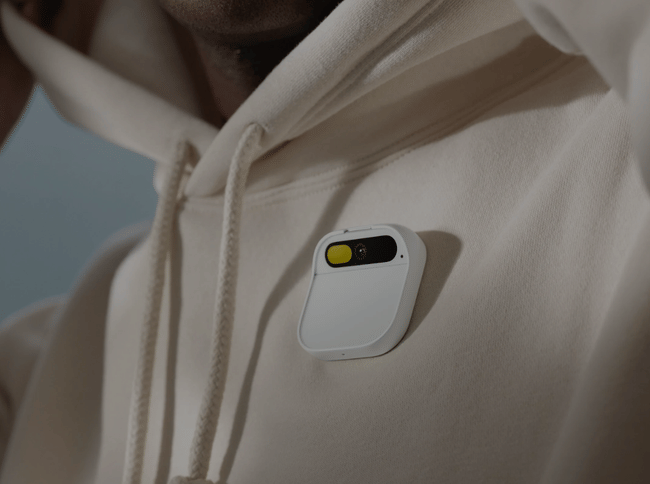
There are early signs this category is growing. Counterpoint Research reported global smart-glasses shipments jumped 139% in the second half of 2025. Qualcomm is using that momentum to push a new chip called Snapdragon Wear Elite, built for continuous on-device AI, phone connectivity, and long battery life. Big brands like Google, Samsung, and Motorola could bring more scale. But success is not automatic. Humane, founded by former Apple employees, failed with its AI Pin and later sold parts of the business to HP, which shows how easy it is to misjudge product-market fit.
What phones can't do - and why it works now
Qualcomm's new $QCOM chip addresses the pain points of current wearables: power consumption while constantly recording with a camera or microphone, and the ability to let local AI models run without the cloud. Ziad Asghar, head of wearables and personal AI at Qualcomm, points out that demand has exceeded expectations thanks to the success of the glasses. "We've seen demand for smartglasses defy our 2025 prediction," he says, pointing to applications such as instant translation during a conversation - right in your ear or field of view, without having to reach into your pocket.
These devices make smart use of the context of the environment through sensors. Cameras track where you're looking (e.g. in retail for better merchandising), microphones listen, and AI delivers personalized responses. Asghar sees potential in stores, where gadgets analyze customer behavior in real time. Unlike smartphones, which are passive, these innovations actively enrich reality - from navigating foreign countries to discreet fitness coaching. Google's prototype Gemini AI glasses have already shown how close we are to forgetting the phone.
But success is built on trust. Qualcomm's chip powers not just watches, but experimental pins and pendants where stealth is key. If they can do tasks like translation or object identification more efficiently than apps, they can break through. While Humane failed due to low utility and cost, larger players have the advantage of scalability and integration with existing ecosystems.
The race of the giants: from Meta to Apple
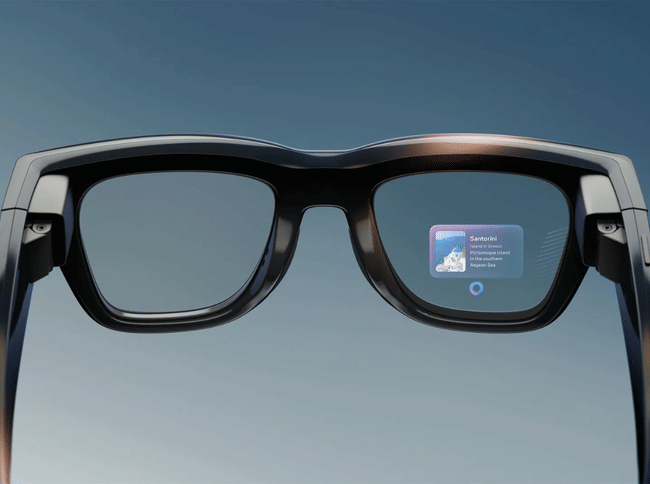
Meta $META leads with Ray-Ban smart glasses that answer questions about the environment thanks to AI; Google $GOOG, Samsung $SSNLF and Amazon $AMZN (with the Bee wristband for Alexa) follow. Apple $AAPL is ramping up work on glasses, pendants and even camera AirPods for the AI era, according to Bloomberg. OpenAI is planning a smart speaker, and startups like Friend AI Pendant and Plaud Pin are already churning in the early stages. "At the end of the day, it's about whether it outperforms existing devices," says Google's Bjørn Kilburn, who doesn't rule out expansion beyond phones and watches.
This race isn't just about hardware - it's about data and AI. On-body devices collect richer context than a static phone, enabling advanced features like predictive assistance. Amazon sees the Bee as the key to the future of Alexa, Meta is investing in social interactions. Apple, with its 2 billion devices, has the biggest moat: integration could bring billions of users to new formats without friction.
Yet the market is full of past lessons. Google Glass in 2013 sparked a wave of fear of "Glassholes" - subtle snooping. Today, companies are betting on LED recording indicators, but women's complaints about men recording them with Meta Glasses without consent show the risks. Kilburn admits: "We have a huge responsibility for privacy, so we're moving more slowly."
Privacy as an Achilles heel
The biggest threat is not the battery, but trust. Devices without screens that constantly shoot increase the risk of unwanted surveillance - just forget to turn off the LED. Meta insists on responsive use, Google emphasises "positive and negative use cases". History shows: privacy failures can kill a product before it gets off the ground.
Regulators in the EU and US are already putting pressure on tech firms; if AI gadgets don't address privacy from the ground up (local processing, opt-in recording), they're in for a backlash. Conversely, a successful solution - like encrypted processing on a chip - could set the standard. Consumers need to see the added value of out-of-this-world features, not just another flashlight around their necks.
For the tech industry, it's liquidation or survival. If Qualcomm and partners succeed, they will open the era of "always-on AI". Otherwise, they will remain an experiment that will reinforce smartphone dominance. Practicality and ethics will decide - at a time when privacy is the new currency.