
The world’s biggest luxury group has stumbled badly into 2026: LVMH shares dropped 28% in the first quarter, marking the steepest three month fall since the company’s listing and an even sharper slide than during the 2008–2009 financial crisis, the 2001 dot‑com bust or the Covid shock in 2020. The selloff comes as war in the Middle East hits high end spending and travel in a seasonally important period for luxury, casting doubt on how resilient demand really is at the top of the market.
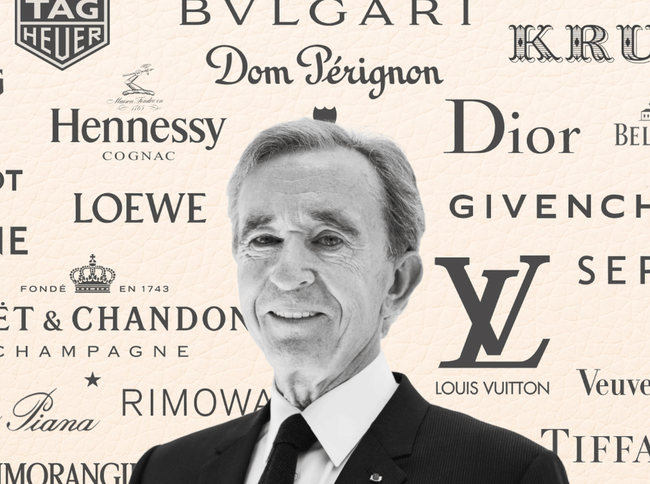
LVMH $MC.PA is experiencing the worst start to a year in its history. The French luxury conglomerate's shares fell 28% in the first quarter of 2026, a worse result than during the 2008-2009 financial crisis, the Covid-19 pandemic in 2020 and the bursting of the dot-com bubble in 2001, according to a Bloomberg analysis.
The war in the Middle East has shaken the luxury market
The reason for the dramatic decline is the impact of the war in the Middle East, which has clouded the global economic outlook and exacerbated problems with demand for luxury goods. Attacks between the US, Israel and Iran have forced airlines to cancel thousands of flights.
According to a CNBC report, the Middle East averaged a mid-to-high single-digit percentage of luxury brand sales, but the region was the fastest growing luxury market last year, growing between 6 and 8 percent, while global growth was zero. The region now accounts for about 6 percent of global luxury sales.
Bernard Arnault's wealth plunged by $55.9 billion
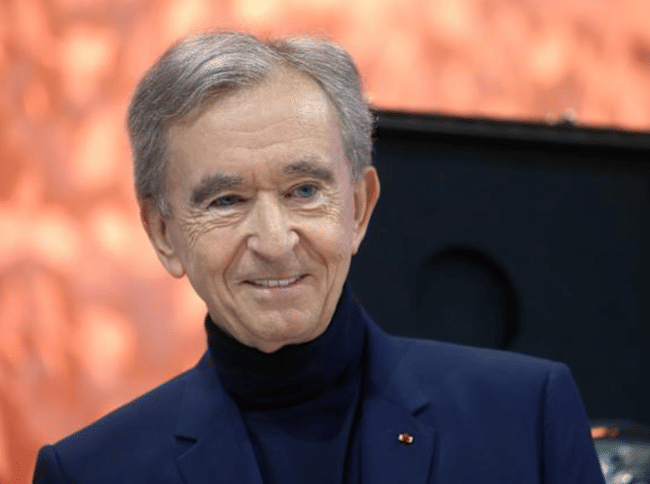
LVMH's stock collapse means CEO Bernard Arnault 's net worth fell by $55.9 billion in the first quarter alone, according to the Bloomberg Billionaires Index, bringing his total fortune to about $152 billion. This is the second largest loss among the world's 500 richest people after Oracle founder Larry Ellison, according to a FashionNetwork analysis.
During the first quarter, the Arnault family's stake in LVMH crossed the symbolic 50 percent mark. According to John Plassard, director of investment strategy at Cité Gestion, "LVMH has become more than a luxury stock, it is now a barometer of global confidence".
The luxury sector has lost $100 billion in market value
The war conflict has wiped roughly US$100 billion of market capitalisation from luxury sector companies, with LVMH and Hermès each losing more than US$40 billion in value. According to a CNBC report, shares of major luxury companies have fallen 15 percent or more since the war began.
Richemont:
Zurich shares down about 20 percent in first three months
Hermès:
Lost almost a quarter of its value over the same period
Kering and others:
Kering shares fell by 5%, Brunello Cucinelli by 4.6% and Burberry by 4.3%
Tourism and travel under pressure
The decline also reflects the disruption to travel and tourism on which sales of the most expensive items are so dependent. According to Luxuri analysis, around 60 per cent of luxury spending in the UAE comes from tourists, with Dubai's appeal resting on security, tax benefits and political stability.
Bernstein analyst Luca Solca told CNBC, "If people don't get back to normal and we have more problems with oil and gas supplies from the Gulf, then the likelihood of a global recession could increase, and that would certainly dampen discrete sectors like luxury".
The outlook remains uncertain
LVMH is due to release first-quarter earnings later this month. Its core fashion and leather goods division is likely to have seen a 0.65% rise in organic sales during the period, according to analysts' preliminary estimates. The division includes the biggest brand Louis Vuitton as well as Christian Dior Couture.
According to a UBS research report, luxury investor sentiment is "the most bearish in years", while "heightened geopolitical uncertainty is likely to weigh on near-term earnings and delay a long-awaited turnaround in fundamentals".