
PepsiCo is enacting a notable shift in its pricing strategy moving away from years of price increases toward selective price cuts on core snacks by up to 15 percent after consumers voiced concerns about affordability and slowing demand. The decision to reduce suggested retail prices on iconic products like Lay’s, Doritos, Cheetos and Tostitos reflects a broader response to economic pressures facing households and aims to preserve market share amid tightening consumer wallets and high cost of living dynamics.
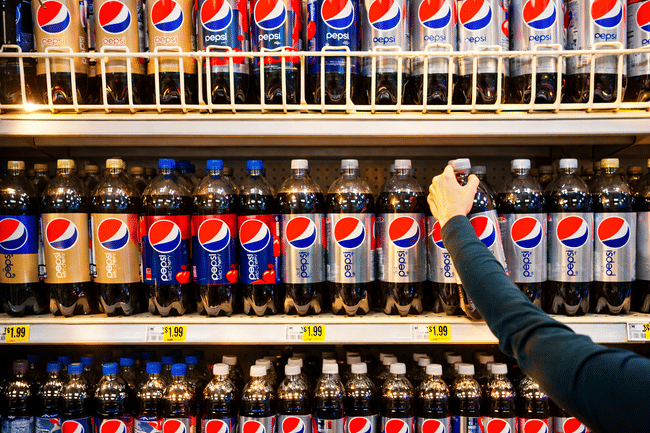
This pricing pivot comes after years of inflation-driven increases that lifted PepsiCo’s revenue but contributed to pressure on unit volumes and consumer pushback. By early 2026, PepsiCo’s snack prices had risen significantly above pre-pandemic levels, but now the company is embracing affordability to better align with evolving spending patterns.
Financial Backdrop and Recent Performance
PepsiCo’s pricing adjustments coincide with a period of solid overall financial performance, even in the face of mixed demand signals. In the fourth quarter of 2025, the company reported revenues of approximately $29.34 billion, surpassing consensus expectations and demonstrating robust topline resilience across beverages and snacks . However, slower unit volume trends including a 1 percent decline in snack sales volumes and a 4 percent fall in North American beverage volumes highlight how price sensitivity has affected consumption patterns, especially among cost-conscious buyers.
Beyond price adjustments, PepsiCo has also boosted shareholder returns, increasing its quarterly dividend and maintaining a long track record of consecutive annual dividend increases a record that spans more than five decades while executing up to $10 billion in share repurchases through 2030 as part of its capital allocation strategy.
Strategic Repositioning and Consumer Response
PepsiCo’s current pricing actions are part of a broader commercial reset that includes initiatives to cut costs, streamline offerings and invest in products with broader appeal. The company plans to reduce nearly 20 percent of its product offerings in the U.S. by early 2026, lower operating costs and focus on innovation in areas such as protein-enhanced snacks and beverages with simpler, functional ingredients all designed to drive higher purchase frequency and improve price perception among consumers.
CEO Ramon Laguarta and other executives have framed these moves as listening to voice-of-customer feedback and adapting to shifting consumer priorities, particularly in an environment where discretionary spending is being squeezed by inflationary legacies and economic uncertainty.
Growth Outlook and Analyst Views
Looking ahead to fiscal 2026 and beyond, $PEP has provided a constructive growth outlook that balances price flexibility with disciplined financial planning. The company expects organic revenue growth in the range of 2 percent to 4 percent and net revenue expansion of 4 percent to 6 percent partly driven by currency effects and recent strategic initiatives. Core earnings per share are anticipated to rise approximately 5 percent to 7 percent, or potentially 7 percent to 9 percent excluding the effects of global minimum tax regulations, signaling modest but sustainable profitability growth.
Analysts have responded with mixed but overall supportive guidance. For example, UBS recently raised its price target on PepsiCo to $190, citing stable margins and solid positioning despite macro headwinds, even as some firms like Piper Sandler trimmed targets slightly due to headwinds from accelerating uptake of GLP-1 weight-loss meds that could affect snack demand.
What Investors Should Watch Next
Investors tracking PepsiCo’s trajectory should focus on several key metrics and catalysts:
Sales Volumes and Unit Trends: How effectively price reductions translate into higher unit volumes and market share rebounds.
Margin Stability: Whether the shift to lower pricing compresses margins or is offset by productivity gains and cost optimization.
Dividend and Buyback Activity: Continued increases in dividends and execution of repurchase programs that support shareholder returns.
Innovation and Portfolio Refresh: Success of new product lines like protein-fortified snacks and simplified ingredient beverages in attracting volume growth.
PepsiCo’s adaptive pricing strategy highlights both the challenges and opportunities facing large consumer goods producers in an environment of persistent cost pressures and evolving consumer preferences. While recent price cuts may weigh on near-term top-line pricing power, they are part of a broader plan to sustain demand, protect market share and drive long-term shareholder value