
On Wednesday, February 18, 2026, Mark Zuckerberg is expected to testify before a jury in Los Angeles in a trial that targets the design of social media products, not just what users post. The plaintiff says Instagram and YouTube were built in ways that push compulsive use among children and teenagers and that this contributed to serious mental-health harm.
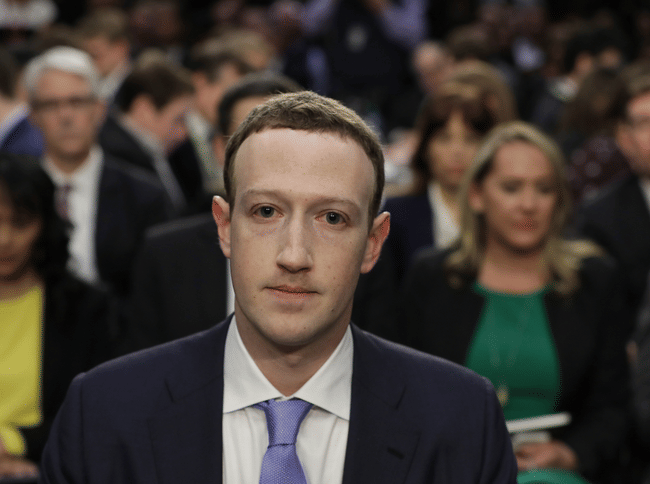
Investors are watching because this is treated as a bellwether. It is among the first cases from a much larger wave, and a plaintiff win could make it easier for many similar claims to move forward by framing the issue as product design and platform conduct rather than third-party content. The outcome can set expectations for years of litigation costs, potential settlements, and tighter regulatory pressure around youth safety.
Why this is more sensitiveto $META than a regular lawsuit
It's not just about the amount of potential damages in one story. This lawsuit may show whether social networks can be legally challenged over "product decisions" (design and features), not just the content users upload. This is what is crucial for the entire industry: if a jury accepts the logic that the damage was not caused by the "content" but by the "mechanics" of the app, it may open the door to more lawsuits and pressure for product changes.
At the heart of the dispute: what the plaintiffs claim and how they defend Meta
The lawsuit was filed by a 20-year-old woman going by the name Kaley, along with her mother. She claims that she began using YouTube as a child and Instagram from around the age of nine, with the apps designed to "keep" her online for so long that it contributed to anxiety, self-esteem issues and suicidal thoughts. Themes such as bullying and sexual blackmail also feature in the case.
Both Meta and Google $GOOG deny the allegations. The defense rests on two pillars: first, that the company had safety features in place (such as parental monitoring tools and "teen" modes), and second, that the plaintiff's mental health problems had significant causes beyond social media. In other words, the dispute will revolve around the question of whether Instagram was a substantial factor in her problems or just one of many influences.
Why Zuckerberg's testimony is key
Zuckerberg won't just explain what Meta is doing today. What will be important to the jury will be what management knew in the past and how it responded: how the company worked with internal knowledge about the impact on young users, how it made decisions about features that reinforce repeat use, and whether security measures were actually designed to limit risks or, more likely, to assuage public criticism. Reuters describes that Zuckerberg has faced questions specifically on the internal findings and whether Meta did enough.
Alongside the facts, the "human" side will also play a role: testifying before a jury is not a press conference or a congressional hearing. If the jury gets the impression that management is being evasive, or that it is downplaying the impact on children, that can affect the outcome even without considering the technical details of the product. That's a reputational risk that's hard to fix with marketing.
The biggest risks for Meta
1) Legal precedent and an avalanche of further litigation
The biggest threat is not the "compensation" itself. It's the precedent: if this test case turns out badly for Meta, the plaintiffs will have a very strong guide for how to argue other cases. Reuters writes about thousands of similar lawsuits and how the litigation could rewrite the boundaries of liability for big platforms.
2) Product interference that hits the business model
Even without a social networking ban, there may be "uncomfortable" changes: restrictions on certain recommendation mechanisms for minors, harder default settings, less room for aggressive notifications, or other elements that increase the frequency of app returns. This can ultimately reduce time spent in the app and thus advertising reach to a key part of the user base. The plaintiffs in the lawsuit are specifically targeting design elements and incentives to keep kids online longer.
3) Regulatory pressure at home and abroad
The lawsuit comes at a time when some countries are tightening rules on minors' access to social media and others are considering it. While the rules vary from country to country, the direction is clear: more pressure on age, parental supervision and platform obligations. An unfavorable court story may provide policymakers with arguments that "voluntary measures" are not enough.
Possible impacts: three scenarios worth keeping in mind
Scenario A: Meta wins, but pays in reputation
Even if the jury believes the defense, the trial may uncover internal communications and uncomfortable details. The market can often forgive a legal win, but is less forgiving of long-term brand damage on the subject of children. In practice, this would mean continued pressure for more voluntary restrictions and repeated political attacks.
Scenario B: "Half" loss - no dramatic damage, but a clear signal
This is the most uncomfortable middle ground for Meta: the jury may accept some of the plaintiffs' arguments, award some compensation, and at the same time send a signal that design choices have consequences. In that case, the likelihood grows that other lawsuits will move more quickly through the courts, and Meta will have to consider broader changes and higher damages.
Scenario C: A hard loss and a change in the rules of the game
If the jury accepts the logic of "intentionally designed addiction" and also comes down with higher penalties, it opens the door for a chain reaction: more lawsuits, tougher regulation, and rapid product intervention. Reuters directly notes that the case could reshape the legal liability of large tech companies.
What to watch in the days ahead
How the court works with internal materials: what exactly Meta knew about the impact on young people and how it factored that into the decision.
The language of the defense: whether Meta is building to "we're doing our best" or "the problem is elsewhere" - the jury may be very sensitive to the difference.
Cues about settlements: if they start talking about broader agreements, this will be an indicator that the risk of precedent is growing.